Transform Your Mobile Typing Experience with Custom Keyboard Design
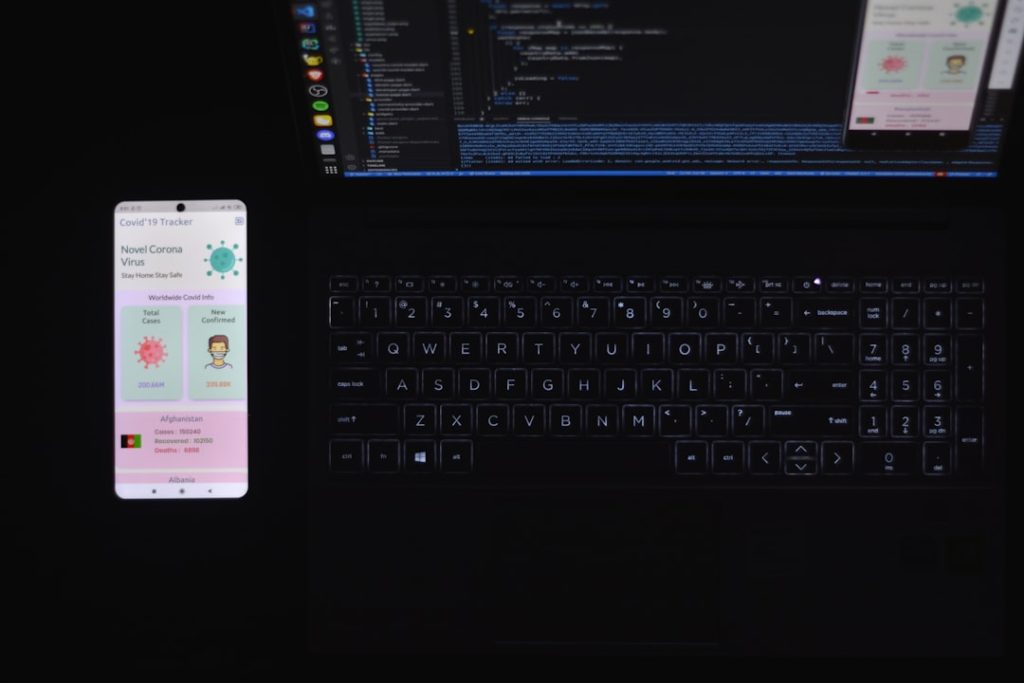
The virtual keyboard on your smartphone is one of the most frequently used interfaces, yet many users stick with whatever comes pre-installed. I believe this is a missed opportunity – customizing your keyboard can dramatically improve both your typing efficiency and overall user experience. For those willing to invest a little time in personalization, the rewards are substantial.
While third-party keyboard applications offer alternatives to manufacturer defaults, I find that device-specific customization tools often provide the most seamless integration. This is particularly true for users who prefer to work within their device’s native ecosystem rather than introducing external applications that may compromise security or performance.
Understanding Mobile Keyboard Customization
The ability to design personalized keyboards represents a significant shift in mobile user interface philosophy. Rather than accepting a one-size-fits-all approach, manufacturers are recognizing that typing habits vary dramatically between users. Some people prioritize speed, others focus on accuracy, and many have specific character or emoji requirements based on their communication patterns.
What I find most compelling about custom keyboard creation is its accessibility to average users. You don’t need programming knowledge or design expertise – modern tools have democratized interface customization in ways that seemed impossible just a few years ago. This represents a genuine improvement in user agency over their digital tools.
However, I must emphasize that keyboard customization isn’t for everyone. If you’re satisfied with your current typing experience and rarely use special characters or emojis, the time investment may not justify the benefits. The sweet spot for custom keyboards lies with power users, multilingual communicators, and those who spend significant time typing on mobile devices.

The Technical Implementation Process
Creating a personalized keyboard involves two distinct phases: layout design and visual customization. The layout phase focuses on functionality – determining which keys appear where and how they’re sized. This is where practical considerations matter most. I recommend starting with your actual usage patterns rather than theoretical ideals.
The visual design phase handles aesthetics – colors, animations, and sound effects. While this might seem superficial, I’ve found that visual appeal significantly impacts long-term usage satisfaction. A keyboard that looks good encourages more frequent use of its advanced features.
The drag-and-drop interface for key placement is intuitive, but I suggest approaching it systematically. Begin by identifying your most-used special characters or symbols, then consider how often you access different emoji categories. The goal is reducing the number of taps required for your common inputs.
Layout Optimization Strategies
Key sizing deserves particular attention during the design process. The ability to adjust individual key dimensions means you can optimize for your specific finger size and typing style. I believe most users would benefit from a wider space bar, for instance, as it’s the most frequently pressed key and often the source of typing errors.
Row management becomes crucial when adding specialized keys. Too many rows create a cramped interface, while too few limit functionality. The optimal balance depends on your screen size and typing preferences, but I generally recommend prioritizing frequently-used characters over comprehensive coverage.

Design Considerations and User Experience
Color selection impacts both aesthetics and usability. High contrast between text and background improves readability, particularly in varying lighting conditions. I favor subtle color schemes over bold designs, as keyboards are tools first and artistic expressions second.
Animation effects add personality but can impact performance on older devices. The key press animations and swipe typing overlays should enhance feedback without creating distractions. In my experience, minimal animations often prove more satisfying than elaborate effects.
Sound customization deserves careful consideration. While audio feedback can improve typing confidence, it’s often impractical in shared spaces. I recommend testing different sound profiles to find options that work across various usage contexts.
Who Benefits Most from Custom Keyboards
Custom keyboard design particularly benefits several user groups. Multilingual users can create layouts optimized for their specific language combinations, reducing the need to switch between different keyboard modes. Content creators who frequently use special characters or emojis will find customized layouts significantly more efficient than hunting through symbol menus.
Business users who regularly input specific terminology, codes, or formatting can create specialized keys for their workflow requirements. This is especially valuable for professionals who type extensively on mobile devices for work purposes.
However, casual users who primarily send simple text messages may find the customization process unnecessarily complex. The default keyboards on modern smartphones are generally well-designed for basic communication needs.
Ultimately, I believe keyboard customization represents the future of mobile interfaces – tools that adapt to users rather than forcing users to adapt to tools. For those willing to invest the initial setup time, the long-term benefits in typing efficiency and user satisfaction are considerable. The question isn’t whether custom keyboards are superior, but whether they align with your specific usage patterns and preferences.
Photo by Fahim Muntashir on Unsplash
Photo by Behzad Soleimanian on Unsplash