Essential Kitchen Knife Sets: A Professional Chef’s Guide to Smart Buying
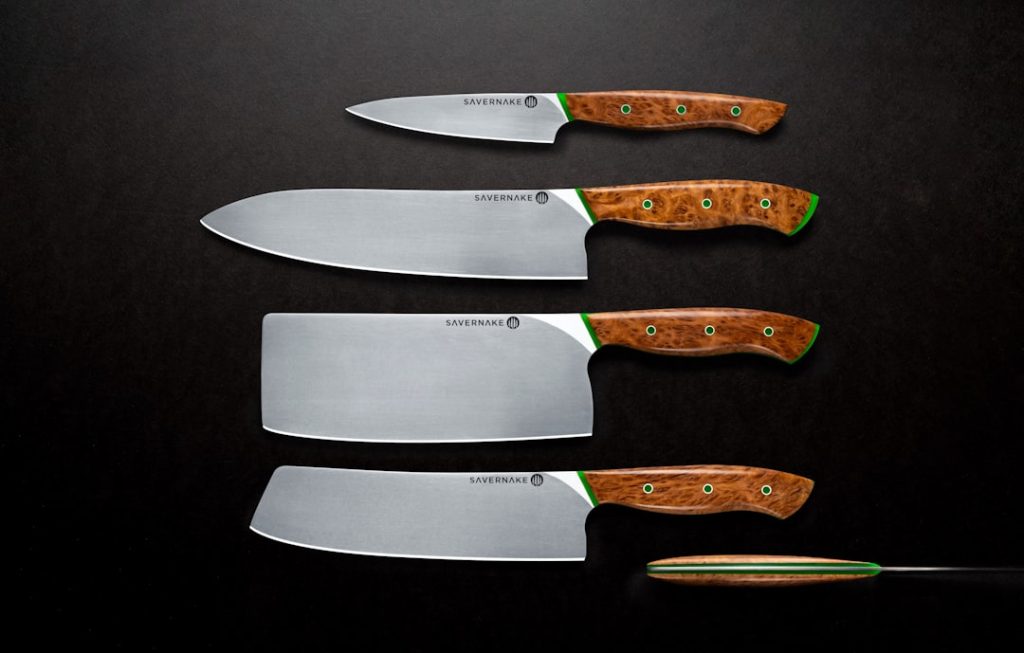
Here’s my honest take: those massive 18-piece knife blocks cluttering kitchen counters are largely marketing gimmicks. I’ve seen countless home kitchens where half the blades remain factory-sharp because they’ve never been touched. The reality is that most home cooks need just three fundamental knives to handle 95% of their culinary tasks.
After years of testing kitchen blades and consulting with professional chefs, I’m convinced that a well-chosen trio—chef’s knife, bread knife, and paring knife—will serve you far better than a drawer full of specialty tools you’ll rarely use. This approach isn’t just practical; it’s economical. Buying quality knives individually can add a 15-20% premium to your total cost.
I think this minimalist approach particularly benefits novice cooks who might feel overwhelmed by too many options. For experienced home chefs who genuinely use specialized tools like nakiri or petty knives, adding them individually makes more sense than buying bloated sets.
Top Knife Set Recommendations
Based on extensive testing, here are the sets I believe offer the best combination of performance and value:
Best Overall: Mac Professional Series 3-Piece Set
Mac consistently produces some of the sharpest, most balanced knives available. Their molybdenum high carbon steel strikes an ideal balance between Japanese precision and Western durability. The ergonomic pakkawood handles prevent hand fatigue during extended prep sessions.
What sets Mac apart is their hybrid blade design—combining the curved profile of Western knives with the straighter edge geometry of Japanese blades. This versatility makes their chef’s knife exceptionally capable across different cutting techniques.
The included bread knife extends to 10.5 inches, providing superior leverage for slicing wide loaves. While the steel can be slightly brittle compared to softer Western alternatives, proper care maintains exceptional sharpness.

Budget Choice: Mercer Culinary Renaissance 5-Piece Set
For cooks prioritizing value over prestige, Mercer delivers remarkable performance at budget-friendly prices. Their Renaissance line consistently outperforms expectations, offering full-tang construction and high carbon steel at roughly half the cost of premium alternatives.
I particularly appreciate that this set includes a magnetic board—eliminating the need for separate storage solutions. While the knives feel slightly bulkier than Japanese alternatives, they provide excellent stability and control for less experienced users.
The included utility knife, while not my preferred style over a petty knife, adds versatility for those building their first serious knife collection.
Premium Option: Shun Classic Damascus 3-Piece Set
Shun’s Damascus steel construction creates genuinely beautiful tools that perform as well as they look. Their VG-MAX core provides exceptional edge retention, while the layered steel construction adds corrosion resistance.
The rounded pakkawood handles accommodate various grip styles, making these knives comfortable for extended use. However, the bread knife runs shorter than ideal at 9 inches—a minor compromise in an otherwise excellent set.
I’d recommend Shun for cooks who appreciate craftsmanship aesthetics and don’t mind paying premium prices for superior materials and construction.
Western Style: Wüsthof Classic 3-Piece Starter Set
Wüsthof represents traditional German knife-making at its finest. Their Classic line offers the heft and durability that many professional chefs prefer, with full-tang construction and time-tested blade geometry.

These knives excel for cooks who prefer substantial weight and the rocking motion typical of Western cutting techniques. The premium price reflects decades of refinement and proven kitchen performance.
However, I find many home cooks now prefer the nimbler feel of Japanese-style blades, making Wüsthof better suited for traditionalists or those with larger hands.
Who Benefits from Knife Sets
Knife sets make most sense for three groups: first-time buyers setting up kitchens, experienced cooks replacing worn collections, and anyone wanting guaranteed compatibility across their primary tools.
Sets aren’t ideal for particular cooks—those with strong preferences for specific blade lengths, anyone building collections gradually, or budget-conscious buyers who’d rather invest heavily in one excellent chef’s knife.
Key Considerations
When evaluating sets, I prioritize steel quality over quantity. High carbon steel holds edges longer but requires more maintenance than stainless alternatives. Full-tang construction provides better balance and durability.
Handle comfort varies dramatically between individuals—what feels perfect to one cook may cause fatigue in another. If possible, handle knives before purchasing, especially for premium sets.
Storage solutions matter more than many realize. Magnetic strips protect edges better than traditional blocks while saving counter space. Proper storage extends knife life significantly.
My Final Recommendation
For most home cooks, I’d choose the Mac Professional Series set. It delivers professional-grade performance at reasonable prices, with blade geometry that works across cooking styles. The steel quality justifies the investment, and Mac’s reputation for consistency means you’re unlikely to encounter quality control issues.
Budget-conscious cooks should consider Mercer—you’ll get 80% of the performance at 50% of the cost. Aesthetics-focused cooks will appreciate Shun’s Damascus patterns, while traditionalists should stick with Wüsthof’s proven designs.
Photo by Savernake Knives on Unsplash
Photo by Viktor Talashuk on Unsplash
Photo by Richard Iwaki on Unsplash