The Laundry Habit That Can Shorten the Life of Your Clothes
Disclosure / Affiliate Notice:
As an Amazon Associate I earn from qualifying purchases.
Some links in this article may be affiliate links that earn me a commission at no extra cost to you.
Laundry is one of those everyday routines that most people perform without thinking much about it. Clothes are worn, placed in a basket, washed, and returned to the closet. Because the process happens so frequently, small habits often go unnoticed.
Over time, however, certain washing habits can gradually wear down fabrics, fade colors, or change the shape of garments. Many people assume these changes are simply the result of aging clothes, but in many cases the laundry process itself plays a major role.
Understanding how washing affects fabrics can help extend the life of clothing and keep garments looking better for longer.
Why Fabric Fibers Break Down Over Time
Every fabric is made from fibers woven or knitted together. When clothes are placed in a washing machine, these fibers are exposed to water, detergent, and mechanical movement.
While this process removes dirt and odors, it also creates friction between fabrics. Each wash cycle causes tiny amounts of wear as fibers rub against each other and against the drum of the machine.
Over time, this repeated movement gradually weakens the structure of the fabric.
The Impact of Overloading the Washing Machine
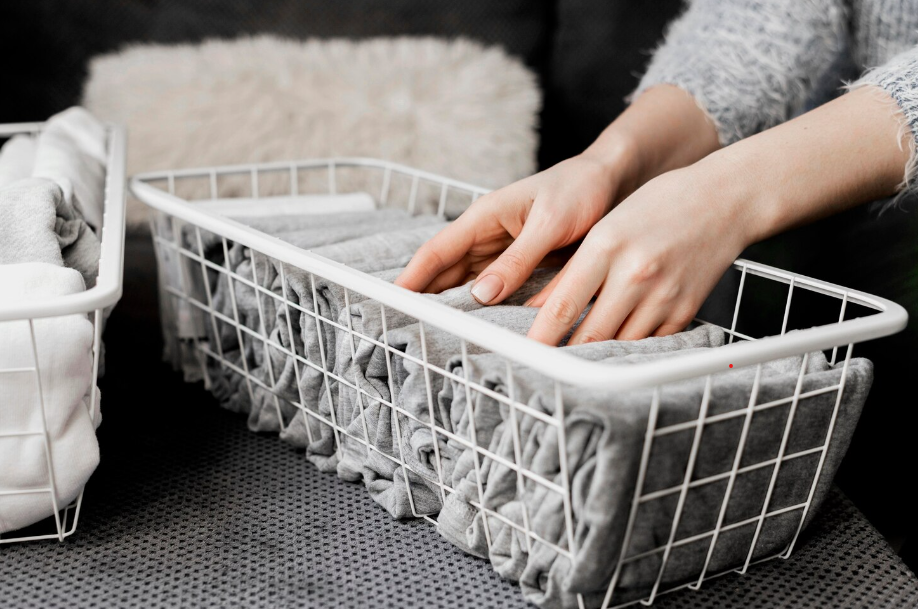
One common habit that increases fabric wear is overloading the washing machine. When too many clothes are packed into a single load, the garments cannot move freely in the water.
Instead of being cleaned evenly, the clothes press tightly against each other. This increases friction and can lead to stretching, wrinkling, or uneven washing.
Smaller loads allow water and detergent to circulate more effectively while reducing unnecessary stress on the fibers.
Zippers, Buttons, and Hard Edges
Another factor that many people overlook is the effect of zippers and buttons during washing. Hard edges on clothing can catch on softer fabrics such as cotton or knitwear.
During the spinning cycle, these edges can pull on nearby garments and create small tears or loose threads.
Closing zippers and turning garments inside out before washing can help minimize this kind of damage.
Protecting Delicate Fabrics
Certain fabrics, including lightweight cotton, silk blends, or knitwear, are more vulnerable to friction during washing. When these materials mix with heavier items like jeans or jackets, the difference in fabric weight can increase wear.
Separating delicate garments from heavier clothing often helps reduce this stress.
Another option is using a simple laundry bag designed to keep delicate items contained while still allowing water and detergent to circulate through the fabric.
https://www.amazon.ca/s?k=laundry+mesh+bag&crid=32I8DPT0PI3CR&sprefix=laundry+mesh+bag%2Caps%2C595&linkCode=ll2&tag=89453216-20&linkId=5c695d3c9ad37df0d4d8a523ca4849b5&ref_=as_li_ss_tl
A quick observation:
Sometimes the smallest protective steps in laundry routines have the biggest effect on how long clothes last.
Temperature and Fabric Care
Water temperature also influences how fabrics behave during washing. Hot water can be effective for removing certain stains, but it can also cause shrinking or color fading in some materials.
Cooler water settings are often gentler on fabrics and reduce the risk of unwanted changes in shape or color.
Checking the care label on clothing can provide useful guidance about the most appropriate temperature.
The Drying Stage Matters Too
Clothing wear does not stop once the washing cycle ends. Drying methods can also influence the lifespan of garments.
High heat in dryers can weaken elastic fibers and gradually shrink some fabrics. Air drying or using lower heat settings may help preserve the original structure of clothing.
Even small adjustments during drying can contribute to better long-term fabric care.
Small Habits That Preserve Clothing
Laundry routines rarely require major changes to become more fabric-friendly. Simple steps such as sorting garments by weight, avoiding overloaded machines, and protecting delicate fabrics can make a noticeable difference.
When clothing experiences less stress during washing, it tends to maintain its shape and color longer.
These small habits turn an everyday household chore into a routine that supports the longevity of the clothes we use every day.
As an Amazon Associate I earn from qualifying purchases.
https://www.amazon.ca/s?k=laundry+mesh+bag&crid=32I8DPT0PI3CR&sprefix=laundry+mesh+bag%2Caps%2C595&linkCode=ll2&tag=89453216-20&linkId=5c695d3c9ad37df0d4d8a523ca4849b5&ref_=as_li_ss_tl