Discovering Riga: A Hidden Baltic Gem Untouched by Social Media Trends
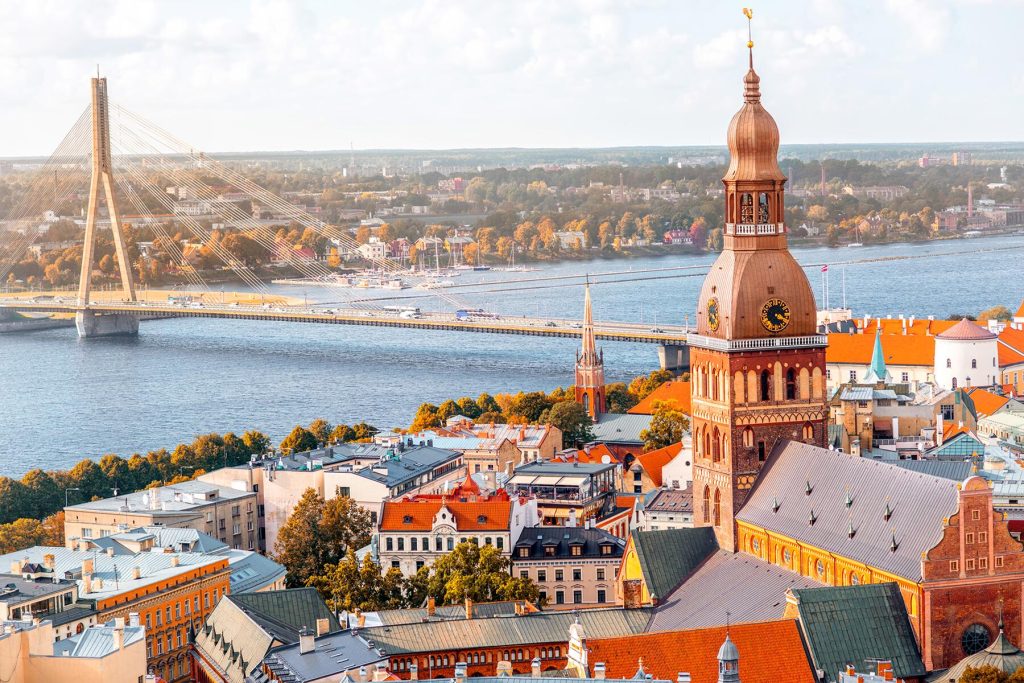
For travelers seeking an authentic European experience away from the influencer-driven destinations flooding social media feeds, Latvia’s capital city offers a refreshing alternative that remains largely undiscovered by mainstream tourism.
Standing beneath the towering Freedom Monument, a 42.7-meter obelisk crowned by a bronze figure holding three stars, visitors encounter their first glimpse into Riga’s complex history. This public-funded memorial, erected in 1935, symbolizes Latvia’s enduring quest for independence—a struggle that resonates through centuries of occupation and liberation.
While traditional European getaways once centered around predictable favorites like Paris, London, or Rome, modern travelers increasingly seek destinations offering genuine novelty and cultural depth. Latvia has emerged as an unexpected contender in this shift, providing experiences unavailable in more commercialized locations.
A City Shaped by Turbulent History
Riga’s past reads like a chronicle of conquest and resilience. German crusaders, Polish-Lithuanian forces, Swedish armies, and Russian empires all claimed dominion over this strategic Baltic territory before Latvia achieved independence in 1919. This brief freedom ended abruptly with Soviet occupation preceding World War II, followed by Nazi invasion, and subsequent decades under Soviet control until final liberation in 1991.
This tumultuous heritage manifests throughout the cityscape, where Art Nouveau masterpieces stand alongside stark Soviet-era structures, creating a visual timeline of political transformation. The historic center, designated a UNESCO World Heritage Site since its founding in 1201, preserves medieval charm while accommodating contemporary life.
Walking through cobblestone streets reveals layers of architectural evolution. The city boasts the world’s highest concentration of Art Nouveau buildings, particularly along Albert Street, where architect Mikhail Eisenstein’s decorative facades feature mythical figures and elaborate motifs. The Riga Art Nouveau Centre offers glimpses into early 20th-century domestic life through meticulously restored period rooms and a stunning spiral staircase adorned with ceiling frescoes.
Two panoramic viewpoints capture Riga’s historical complexity: the medieval St. Peter’s Church tower and the controversial Latvian Academy of Sciences building. The latter, a Stalin-era skyscraper known locally as the “Stalin cake,” serves as both architectural landmark and sobering reminder of Soviet occupation.
Modern Political Expression
Contemporary Riga makes bold political statements through public art. A death’s head caricature of Vladimir Putin, installed in 2022 at the Pauls Stradinš Museum of Medical History, directly faces the Russian embassy as protest against the Ukrainian invasion. Such displays demonstrate the city’s commitment to confronting rather than erasing difficult history.
Throughout the city, building facades showcase diverse architectural elements, including decorative cats perched on rooftops—a motif recently popularized by the Oscar-winning Latvian animated film “Flow,” which has inspired cat installations across the capital.
Cultural Offerings and Local Experiences
Beyond its historic core, Riga provides vibrant contemporary attractions. The nightlife scene includes notable venues like LGBTQ+ bar Skapis and live music space M/Darbnīca. Culinary enthusiasts can explore Michelin Guide restaurants or sample local specialties at Central Market and the renovated Āgenskalns Market.
The Latvian National Opera anchors the city’s performing arts scene, while boat tours offer alternative perspectives of urban architecture along the Daugava River. Seasonal festivals and markets enliven summer months, though autumn and winter visitors discover their own charms, including enchanting Christmas celebrations.
Latvia’s natural assets extend beyond urban boundaries. Forests cover half the country, while Gauja National Park provides hiking opportunities. The Baltic coastline features white sand beaches, with the resort town of Jūrmala accessible within an hour of the capital.
Travel Recommendations
Culinary highlights include 3 Chef’s Restaurant, recognized by the Michelin Guide for innovative presentations including artistic bread courses. Gimlet offers creative cocktails featuring local ingredients like rhubarb and fermented elements. Accommodation options range from the luxury Grand Hotel Kempinski Riga, conveniently located near the National Opera.
Essential tastings include Balsam, Latvia’s potent national spirit containing up to 45% alcohol, and Ķiploku Grauzdiņi, deep-fried rye garlic bread. Day trips might encompass the baroque Rundāle Palace with its restored ducal apartments and formal gardens, or the medieval ruins of Bauska Castle.
For authentic souvenirs, boutiques RIIJA and Mūsmāja offer locally crafted items, while Central Market provides one of Europe’s largest market experiences in repurposed military hangars.
In an era of over-documented destinations, Latvia presents opportunities for genuine discovery through traditional methods: engaging with locals, consulting travel guides, and uncovering personal hidden gems rather than following algorithmic recommendations.