Budget Retailer Faces Criticism for Selling Girl Scout Cookie Lookalikes at Lower Prices
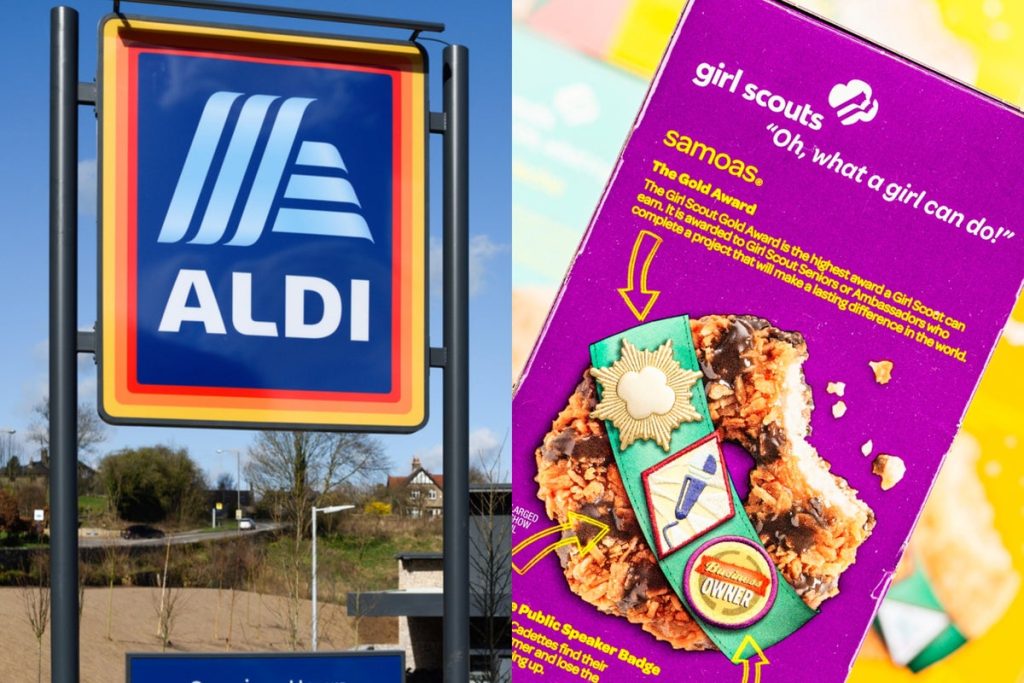
A major discount grocery chain is facing online backlash after customers discovered their store-brand cookies bear striking resemblance to beloved Girl Scout varieties, sparking debate about copycat products and their impact on youth fundraising efforts.
Social media users have been comparing the retailer’s Benton’s Caramel Coconut Fudge Cookies to the Girl Scouts’ famous Samoas, noting remarkable similarities in both appearance and flavor. The controversy began when shoppers posted side-by-side photos showing how closely the products match, despite slight size differences.
Both cookie varieties feature identical chocolate drizzles and toasted coconut toppings, leading taste-testers to report nearly indistinguishable flavors. One customer who sampled both products described them as tasting virtually the same, joking about the implications for future Girl Scout cookie purchases.
The budget retailer’s versions cost approximately three dollars per package, significantly less than Girl Scout cookies which can reach seven dollars per box. This price difference has attracted cost-conscious consumers, though it has also generated controversy about the ethics of purchasing knockoff versions.
Customer discussions reveal the store offers multiple Girl Scout cookie alternatives, including versions that mimic Thin Mints, Peanut Butter Patties, and Tagalongs. Some shoppers claim these store-brand alternatives actually surpass the originals in taste and quality.
However, supporters of the Girl Scout organization emphasize the broader purpose behind cookie sales. They argue that purchasing authentic Girl Scout cookies supports community programs, camping experiences, and leadership development opportunities for young girls that wouldn’t otherwise be possible.
The Girl Scouts organization has acknowledged the proliferation of similar products in grocery stores, expressing concern about how these alternatives affect their fundraising capabilities. Organization representatives stress that cookie sales fund essential programming including educational trips, outdoor adventures, and service projects that build character and confidence in participants.
A Girl Scouts spokesperson recently explained that their cookie program provides much more than confections, emphasizing how sales revenue directly supports experiences that help girls develop leadership skills and personal growth. The organization worries that widespread availability of similar products undermines their ability to fund these transformative programs.
The debate highlights broader questions about brand protection and the ethics of creating products that closely resemble those sold for charitable purposes. While consumers appreciate affordable alternatives, youth organizations depend on product sales to maintain their programming and community impact.