The Scientific Marvel Behind Africa’s Legendary Sunsets: A Photographer’s Paradise
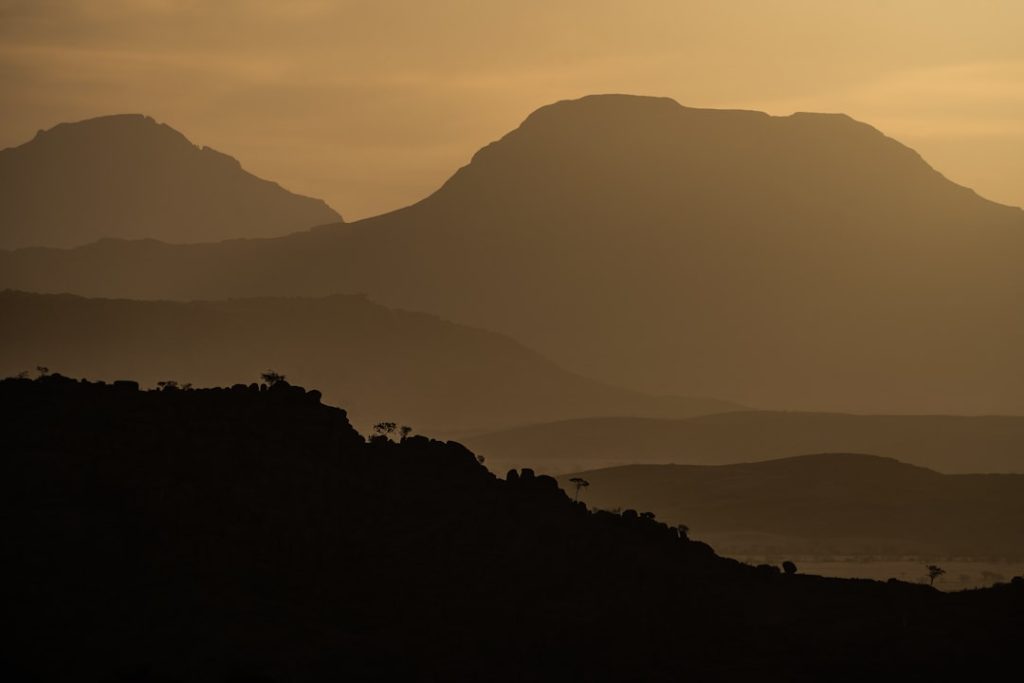
I’ve always been skeptical of travel claims that one destination has “the world’s best” anything. But when it comes to African sunsets, I’m convinced the science backs up the hype—and frankly, if you’re not planning your next trip around catching one of these natural spectacles, you’re missing out on something truly extraordinary.
What sets African sunsets apart isn’t just romantic marketing speak; it’s pure physics working in perfect harmony with geography. When sunlight travels through our atmosphere, shorter blue wavelengths scatter widely during the day, but as the sun drops toward the horizon, those blues get filtered out completely. What remains are the longer wavelengths—the deep reds, blazing oranges, and golden yellows that make your camera work overtime.
Why Africa Dominates the Sunset Game
Here’s where I think Africa has an unfair advantage over everywhere else: dust. The continent sits next to the Sahara, which produces more windborne particles than anywhere on Earth. Add the Kalahari and Namib deserts, plus millions of acres of grassland that experience seasonal fires, and you’ve got a natural color-enhancement system that would make any Instagram filter jealous.
The meteorological conditions here are simply unmatched. Clean air free from urban pollution, combined with fine particulate matter suspended in the stratosphere, creates what atmospheric scientists call optimal scattering conditions. Those tiny particles act like microscopic mirrors, reflecting and intensifying the warm tones we see painted across the sky.
But here’s what really matters: space. African wilderness offers something increasingly rare—unobstructed horizons that stretch for miles. No skyscrapers, no power lines, no visual clutter. Just endless savanna meeting an infinite sky, creating sunsets that feel genuinely cinematic in scale.

The Ritual That Makes It Meaningful
I believe the traditional safari sundowner ritual transforms sunset viewing from passive observation into active meditation. Picture this: after hours of tracking wildlife, your vehicle stops at a scenic overlook, drinks are poured, and conversation naturally fades as everyone turns toward the horizon. There’s something profoundly grounding about this shared silence that you simply can’t replicate in urban settings.
This ritual isn’t just romantic theater—it serves a psychological purpose. In our hyperconnected world, the sundowner forces a complete digital detox. No city noise, no artificial lighting, no distractions. Just you, the sky, and the gradual transformation of light that happens every single evening but rarely gets our full attention.
Prime Locations for Sunset Chasers
If you’re serious about experiencing these legendary sunsets, timing and location matter enormously. Tanzania’s Serengeti and Kenya’s Maasai Mara offer the classic African sunset experience—endless plains dotted with acacia trees and migrating wildlife silhouetted against blazing skies.
For maximum color intensity, I’d recommend Namibia’s desert regions. The Etosha Pan creates crystalline particles that deepen reds and oranges dramatically. Even during wet seasons when water fills the salt pans, the spectacle remains breathtaking. The Kalahari Desert spanning Botswana, South Africa, and Namibia offers similar conditions—imagine standing barefoot in warm sand while fiery colors stretch across shimmering salt flats.
Water adds another dimension entirely. The Okavango Delta and Zambezi River create mirror effects that double the visual impact, reflecting tangerine and burgundy hues across still channels. These locations offer something special for photography enthusiasts—natural symmetry that creates perfectly balanced compositions.

Strategic Planning for Maximum Impact
Here’s what most travelers get wrong: they assume any time of year works equally well. The dry season delivers significantly more dramatic sunsets because reduced humidity allows colors to appear sharper and more saturated. Additionally, increased dust particles during arid months enhance the scattering effect that creates those intense oranges and reds.
Winter months in the Southern Hemisphere offer another advantage—the sun sits lower in the sky due to Earth’s axial tilt, creating longer, more luminous sunset displays. This isn’t just about pretty pictures; it’s about maximizing your investment in what will likely be a once-in-a-lifetime safari experience.
Elevation makes a substantial difference too. Camps positioned on escarpments or hills provide elevated perspectives that create the sensation of looking directly into the horizon. Smart safari operators design their facilities specifically around optimal sunset viewing, with raised platforms and strategic positioning that prioritizes these daily spectacles.
Who This Experience Really Serves
Let me be direct: African sunset viewing isn’t for everyone. If you’re the type of traveler who needs constant stimulation, urban amenities, or structured entertainment, you might find the contemplative nature of sundowners boring. This experience rewards people who appreciate natural beauty, enjoy quiet reflection, and can find meaning in simple rituals.
Photography enthusiasts will find this absolutely essential—the combination of dramatic lighting, expansive landscapes, and wildlife creates shooting opportunities that simply don’t exist elsewhere. But even if you never touch a camera, these sunsets offer something increasingly rare in modern life: genuine awe that doesn’t require technology to enhance or share.
The truth is, many travelers initially visit Africa for wildlife viewing but return home talking about the sunsets. There’s something transformative about witnessing these daily displays that creates lasting emotional connections to the landscape and the experience itself. Whether you’re seeking Instagram-worthy content or genuine spiritual renewal, African sunsets deliver both in abundance.
Photo by Eelco Böhtlingk on Unsplash