AI Company Navigates Government Relations While Pursuing Dangerous Technology Development
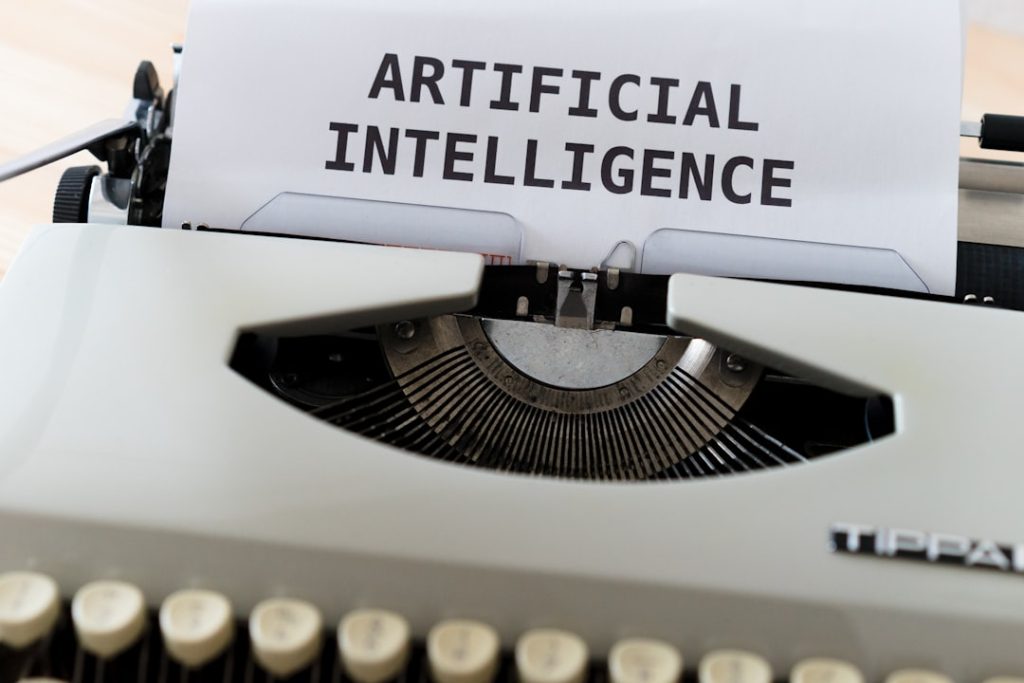
The artificial intelligence sector continues to grapple with the delicate balance between innovation and national security, as evidenced by recent developments involving a major AI company and its interactions with federal authorities. This situation perfectly illustrates why the AI industry needs clearer regulatory frameworks – something I believe is long overdue.
A senior executive at a prominent AI firm recently disclosed that the company had provided briefings to government officials regarding their latest experimental model, which possesses capabilities so potentially hazardous that public release has been indefinitely postponed. The model’s advanced cybersecurity features have raised significant concerns about potential misuse.
What strikes me as particularly noteworthy is how this company is simultaneously challenging government oversight while maintaining cooperative dialogue. Earlier this year, the firm initiated legal proceedings against the Department of Defense after being classified as a supply chain security risk. This classification emerged from disagreements over military access to AI systems for controversial applications, including domestic surveillance operations and autonomous weaponry.

I find this dual approach – litigation coupled with collaboration – to be strategically sound but ethically complex. While the company lost a significant defense contract to a competitor, they’re maintaining that their legal dispute represents merely a “narrow contracting disagreement” rather than fundamental opposition to government partnership.
The executive emphasized their commitment to national security cooperation, stating that government awareness of such technological developments is essential. This perspective makes sense from a practical standpoint, though I question whether current oversight mechanisms are adequate for the pace of AI advancement we’re witnessing.
Recent reports indicate that administration officials have been encouraging major financial institutions to experiment with this restricted model, including several of the nation’s largest banks. This development concerns me, as it suggests potential inconsistencies in how dangerous AI capabilities are being managed and distributed.

Beyond security implications, industry leaders are also addressing AI’s broader societal impact, particularly regarding employment displacement. While some executives predict unemployment levels comparable to the Great Depression, others within the same company offer more measured assessments. This disagreement highlights the uncertainty surrounding AI’s economic consequences – something that should worry policymakers and workers alike.
Current research suggests limited impact on entry-level graduate employment in specific sectors, though companies are preparing for more significant workforce disruptions. I believe this cautious optimism may be misplaced, given the exponential nature of AI development.
When discussing educational preparation for an AI-dominated future, industry experts recommend focusing on interdisciplinary synthesis and analytical thinking rather than specialized technical skills. This advice resonates with me, as AI systems increasingly handle specialized knowledge work, making human creativity and cross-domain reasoning more valuable.
The key insight here is that AI provides access to vast expertise across multiple domains, but human judgment remains crucial for asking the right questions and connecting insights from different fields. This perspective should guide both educational institutions and individual career planning.
For technology professionals and policymakers, these developments underscore the urgent need for comprehensive AI governance frameworks. For students and workers, the message is clear: adaptability and broad analytical skills will be more valuable than narrow specialization. However, I worry that we’re not moving fast enough to address these challenges before they become crises.
Photo by Markus Winkler on Unsplash
Photo by Numan Ali on Unsplash
Photo by Steve A Johnson on Unsplash