Mental Health Experts Reveal How to Flourish While Living Solo in Your Golden Years
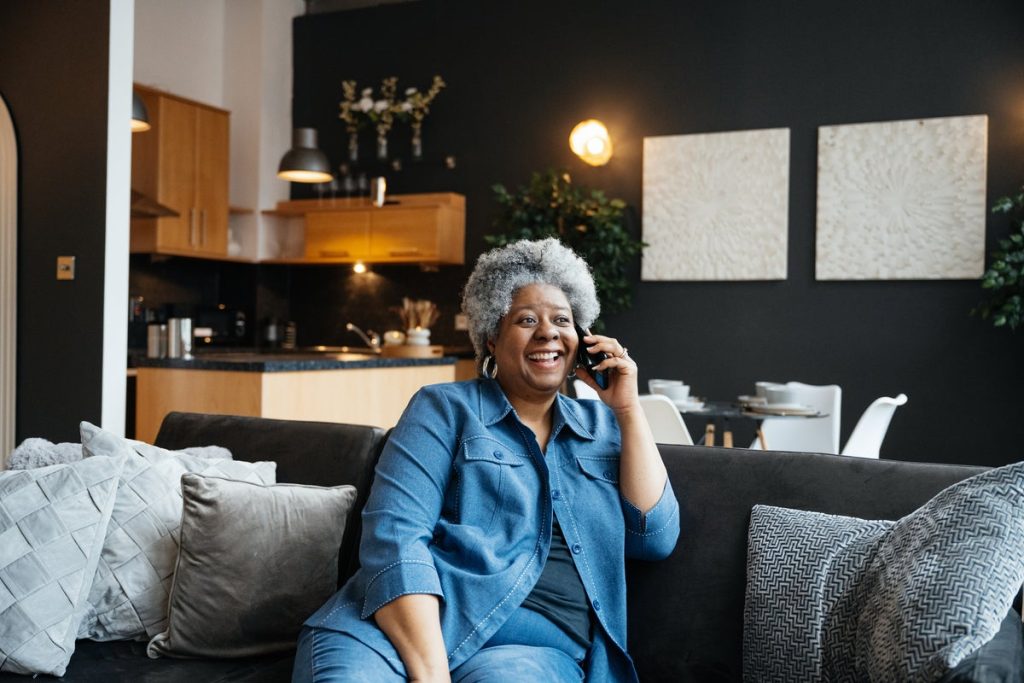
The shift to solitary living during one’s later years—whether triggered by relationship dissolution, loss of a spouse, or children leaving home—can feel overwhelming and disorienting for many individuals.
This major life transition typically involves navigating complex emotions including sorrow, isolation, and profound self-reflection.
Yet despite these inherent challenges, mental health professionals emphasize that this new phase can unlock remarkable possibilities for self-discovery, goal reassessment, and developing stronger independence.
Psychology experts have identified the primary obstacles people encounter during this adjustment period and provide practical guidance for not merely surviving, but genuinely flourishing during this transformative stage.
Primary Challenges Faced When Beginning Solo Living
According to Susie Masterson, a certified psychotherapist and relationship specialist with BACP registration at Ultraliving, solitary living eliminates many external distractions, creating extensive opportunities for internal contemplation that can feel overwhelming.
This increased solitude frequently leads individuals to examine their life choices and develop anxiety about what lies ahead, she explains.
Masterson notes that such introspection can prove particularly destabilizing for those who have experienced setbacks or significant losses, potentially triggering feelings of isolation and depression that become difficult to overcome.
The absence of a reassuring physical presence from family members or partners represents another significant adjustment challenge.
People become accustomed to sharing living spaces and enjoying companionship, including simple moments of connection like expressing gratitude for small gestures, which provide considerable comfort, Masterson observes.
The reduction in daily communication opportunities at home also creates difficulties for many individuals.
Debbie Keenan, a senior accredited psychotherapist with BACP, explains that many people depend on household companions for emotional support, understanding, and compassion. When this support system suddenly disappears, individuals often feel directionless.
For those who have maintained long-term partnerships, the challenge becomes particularly acute as they may struggle to determine their path forward or function independently.
Establishing Daily Routines
Masterson recommends maintaining consistency through deliberate planning and creating reliable reference points for emotional security. This might involve establishing regular activities such as morning dog walks or eating meals at consistent times each day.
Recognizing Personal Advantages
Living with family members or romantic partners inevitably involves compromises and scheduling around others’ needs, Masterson points out. Solo living eliminates these constraints, offering unlimited possibilities to focus on personal priorities and preferred life rhythms.
Maintaining Social Connections
Keenan emphasizes the importance of actively pursuing social interactions to prevent isolation. She advises taking initiative in reaching out to others to preserve and strengthen relationships, noting that meaningful connections require deliberate effort rather than passive waiting.
Embracing Novel Experiences
Masterson suggests approaching new activities with an experimental mindset, viewing this period as an excellent opportunity for self-discovery. Understanding personal preferences and dislikes can significantly improve one’s outlook on the future.
Prioritizing Physical Activity
Keenan recommends incorporating daily movement, whether through brief walks or gentle exercises, as an essential component of maintaining overall well-being.
Building Support Systems
Addressing feelings of helplessness requires acknowledging these concerns and implementing practical solutions, according to Masterson. Developing a reliable network of family, friends, or neighbors who can provide assistance or serve as contacts during difficult moments proves invaluable.
Leveraging Digital Tools
Keenan encourages embracing technology as a means of maintaining connections with relatives and friends across geographical distances, helping to combat isolation through virtual communication.
Creating Comfortable Living Spaces
Transforming one’s home into a personal sanctuary involves incorporating enjoyable elements such as music, favorite foods, and comforting beverages, Keenan suggests. These simple additions can significantly enhance daily comfort and satisfaction.
Considering Animal Companionship
Pet ownership offers multiple benefits, including increased endorphin production through physical contact and elevated levels of oxytocin, Keenan explains. Dogs particularly provide unconditional affection regardless of daily circumstances, offering valuable emotional reassurance.
Practicing Mindful Awareness
Masterson highlights the profound rewards of learning to appreciate quiet moments through regular meditation or mindfulness practices. Incorporating these techniques into daily routines can enhance overall mental well-being and personal growth.