My Journey to Bali: Seeking Healing but Finding Something Unexpected
A traveler’s quest for emotional healing through yoga teacher training in Bali led to an unexpected encounter with intense spiritual practices and the realization that authentic transformation cannot be forced.
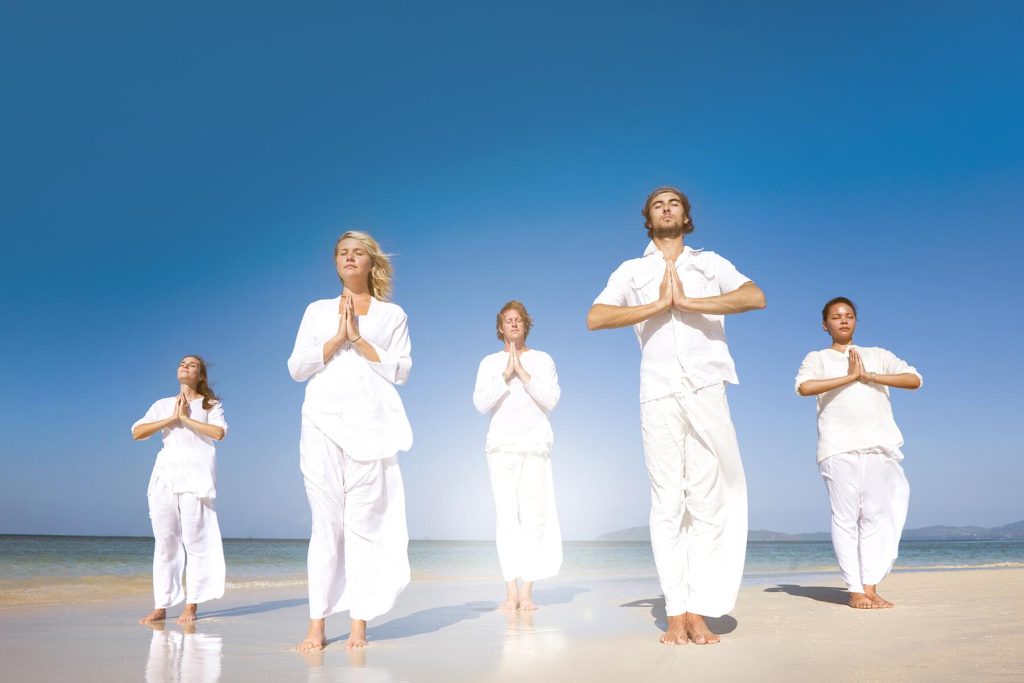
Standing in a humid Balinese pavilion, forehead pressed against a complete stranger’s, the author found herself questioning what she had gotten into. Around her, thirty participants dressed entirely in white formed circles around flower arrangements, with several women openly weeping as they claimed to have connected with each other’s spiritual essence.
The experience began immediately upon arrival at the yoga retreat center. Participants received candles and were instructed to form lines while holding hands, then proceeded into the traditional thatched-roof practice space called a shala. The bamboo structure curved overhead as golden sunlight filtered across polished wooden floors, creating an atmosphere of reverence as the group moved silently through eye-contact exercises.
This spiritual journey followed a challenging family reunion in Jakarta, where the author had reconnected with her estranged father after nearly fifteen years of separation. The meeting proved emotionally flat – polite but distant, with her father remaining distracted by technology while his young wife attempted conversation. The encounter left her feeling unresolved and seeking closure.
The Search for Transformation
Bali represented an opportunity for decompression and self-discovery. After losing her job and subletting her New York apartment, the author invested $2,000 in a three-week intensive yoga teacher training program that included meals and accommodation. The financial commitment seemed reasonable compared to city living costs, and she hoped to gain clarity about her life direction.
The daily practices proved challenging for someone seeking genuine spiritual connection. Sessions included staring at candle flames until eyes watered, with instructors encouraging participants to “feel the energy.” The author experienced only physical discomfort and back pain rather than transcendence.
Yoga nidra sessions became a refuge, though not for intended reasons. These guided relaxation practices allowed for guilt-free napping while others reported elaborate spiritual journeys involving dolphins, cloud flight, and rainbow encounters. While classmates described vivid meditative experiences, she remained unconscious throughout most sessions.
Emotional Release Exercises
Active meditation sessions involved fifteen minutes of intense physical movement – jumping, shaking, and emotional release through vocalization. Thirty participants created vibrations throughout the wooden floor while expressing trapped emotions through full-body movements and primal sounds. Despite waiting for emotional breakthrough, the author found herself unable to access the cathartic release others seemed to achieve effortlessly.
Optional sharing circles became venues for intimate confession, with participants revealing deep personal traumas to virtual strangers within days of meeting. The emotional displays felt performative rather than authentic, creating discomfort rather than connection for someone who valued privacy over public vulnerability.
Prior healing attempts included luxury retreat experiences featuring traditional Balinese ceremonies, temple purification rituals, and dawn ocean ceremonies. Despite expensive packages and authentic cultural practices, these experiences produced frustration rather than transformation, leaving her questioning whether she was fundamentally unable to access spiritual healing.
The Reality Behind Spiritual Theater
The dramatic soul connection between two participants proved temporary when they engaged in a public argument by day four and ceased communication entirely. This incident highlighted the potentially superficial nature of instant spiritual bonds formed during intensive retreat experiences.
Research in psychology supports the possibility of manufactured emotional experiences during group activities. Studies indicate that collective gatherings involving shared attention, synchronized movement, and ritual participation can create genuine emotional states through “perceived emotional synchrony.” However, individual responses vary significantly, with some participants accessing authentic experiences while others remain observers to the process.
Despite skepticism about the spiritual practices, authentic friendships emerged through shared experiences outside formal training sessions. Exploring Ubud, relaxing by pools, and late-night conversations created genuine connections with fellow participants from diverse international backgrounds.
Finding Balance in Contradiction
A surprise birthday celebration organized by new friends demonstrated the power of simple human kindness over elaborate spiritual rituals. Having classmates secretly arrange cake and multilingual birthday songs created meaningful connection thousands of miles from home, proving that authentic care transcends manufactured experiences.
The yoga philosophy of opposing forces – strength with flexibility, effort with surrender – ultimately provided the most valuable lesson. The inability to access prescribed spiritual experiences while simultaneously forming real relationships created its own form of balance. Sometimes the most authentic transformation occurs not through following prescribed methods, but through remaining true to individual responses while staying open to unexpected forms of connection.
The experience revealed that while spiritual practices may provide genuine benefits for some participants, forcing emotional breakthrough or manufacturing enlightenment proves impossible for others. True healing and growth often emerge through simpler means – honest friendship, genuine care, and acceptance of one’s authentic responses rather than conforming to expected spiritual outcomes.