The Contradictory Nature of Celebrity ‘Performative Privacy’ on Social Media
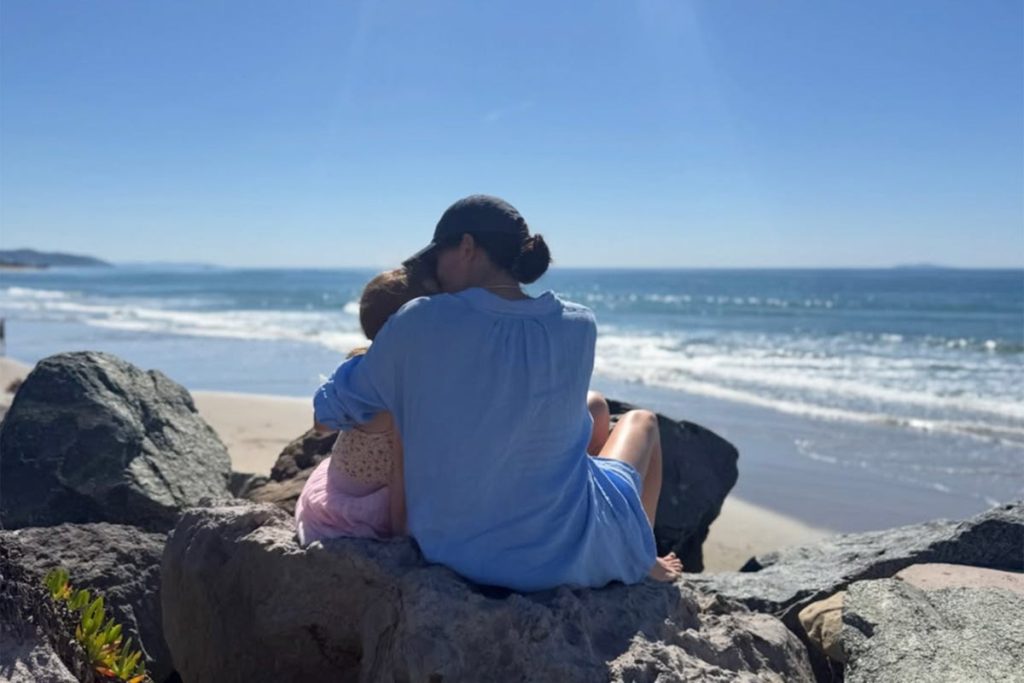
Recent social media posts from high-profile figures have sparked debate about what experts call ‘performative privacy’ – the practice of sharing images of children while obscuring their faces with strategic angles, emojis, or other creative methods.
This trend has become increasingly common among celebrities and public figures who want to maintain an active social media presence while claiming to protect their children’s privacy. The approach typically involves posting family photos where children’s faces are hidden behind heart emojis, cartoon stickers, or carefully positioned arms and hair.
The Mixed Messages of Partial Privacy
The inconsistency in these privacy approaches raises questions about their genuine effectiveness. Some public figures alternate between completely hiding their children’s faces and occasionally revealing them in special posts, creating a confusing pattern that suggests the privacy concerns may not be as absolute as they appear.
This selective sharing extends beyond just hiding faces. Many of these posts still reveal significant identifying information including locations, daily routines, physical characteristics like hair color, and family dynamics – all of which could potentially compromise the very privacy these parents claim to protect.
A Growing Celebrity Trend
The practice has been adopted by numerous high-profile individuals across different spheres of public life. From political figures sharing idyllic family moments with strategically obscured children’s faces, to entertainment personalities using cartoon masks and heart emojis to cover their offspring in social media posts.
Some celebrities have taken this approach during major holidays and family celebrations, creating posts that showcase their family life while maintaining the illusion of privacy protection through digital modifications or careful photography angles.
The Technology Reality Check
Privacy experts point out that placing emojis or stickers over children’s faces does not provide comprehensive protection. These images can still contribute to facial recognition algorithm training and help build digital profiles of the children involved.
Furthermore, the rapid advancement of artificial intelligence tools raises concerns about whether these simple privacy measures can be easily bypassed or removed, potentially making the protection largely symbolic rather than substantive.
Alternative Approaches to Child Privacy
Some celebrity parents have chosen more definitive approaches to protecting their children’s privacy. Certain high-profile couples maintain strict no-posting policies regarding their children, keeping them completely off public social media platforms.
Others have opted for private social media groups or completely avoided sharing family content online, recognizing that any digital presence carries inherent risks regardless of privacy measures employed.
The Broader Implications
This trend reflects a larger conversation about digital privacy, parenting in the social media age, and the pressure to maintain public engagement while protecting family life. The #NoKidPolicy movement on social media has gained traction as more users advocate against sharing children’s information online entirely.
The practice also highlights the challenge many parents face in documenting their family lives while navigating legitimate concerns about online safety, identity theft, and the long-term implications of creating digital footprints for children who cannot consent to such exposure.
Critics argue that this middle-ground approach allows individuals to maintain their social media presence and public engagement while appearing responsible about privacy – essentially trying to have the benefits of both sharing and protection without fully committing to either approach.
As digital privacy concerns continue to evolve, the debate over how public figures handle their children’s online presence will likely intensify, forcing a more honest conversation about the real effectiveness of these partial privacy measures.